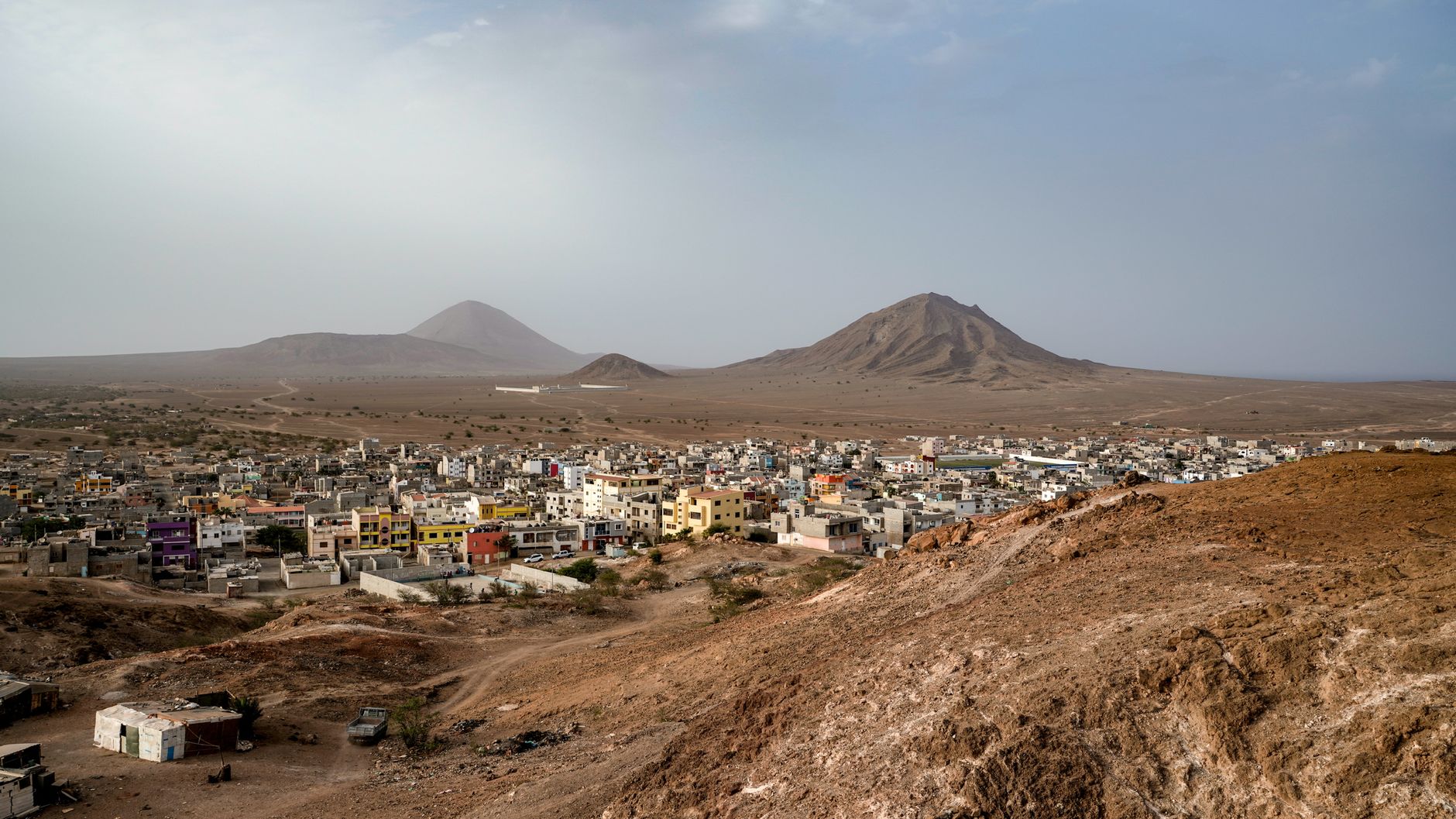
Cape Verde qualified for its first FIFA World Cup in 2026. With Portugal and Morocco co-hosting 2030, the islands sit directly in the World Cup corridor.…
In November 2024, Cape Verde qualified for its first-ever FIFA World Cup. Nine months later, the islands secured their position in a geopolitical rarefaction: Portugal and Morocco will co-host the 2030 World Cup, placing Cape Verde directly in the flight path of two of the world's most passionate footballing nations. For investors watching tourism infrastructure trajectories, this isn't background noise—it's a structural catalyst with a measurable timeline.
The Numbers Behind Cape Verde's Tourism Expansion
Cape Verde received approximately 788,000 international arrivals in 2023, according to the National Statistical Institute. The government's National Tourism Development Plan targets 1.2 million arrivals annually by 2030—a 52% increase over seven years. To contextualize: that's a compound annual growth rate of roughly 6.2%, outpacing the global tourism average of 3.8% projected by the UNWTO through 2030. The islands are not merely growing; they're growing faster than the market.
“Cape Verde's tourism growth rate of 6.2% projected CAGR through 2030 exceeds the global average of 3.8%—a gap that translates directly into hospitality demand and land appreciation.”
World Cup Catalysts: Why 2026 and 2030 Matter
The 2026 World Cup, hosted across the United States, Canada, and Mexico, creates direct airlift expansion to West Africa as carriers service diaspora communities. But the 2030 tournament is the transformative event. Portugal and Morocco will host matches across European and African venues, with Cape Verde positioned as a mid-route destination for fan travel, corporate hospitality, and satellite events. Historical precedent from co-hosted tournaments shows secondary destinations see 18-25% tourism lifts in the three years surrounding the event.
The Tarrafal Bay Case Study
At Chão Bom—an eco-luxury cliffside development above Tarrafal Bay on Santiago Island— Phase II waterfront lots are priced at $250,000 with guaranteed institutional financing. The development offers 50-year Deeds of Trust, euro-pegged through the Cape Verdean escudo, eliminating currency volatility risk for European and dollar-denominated investors. Direct flights from Lisbon, Paris, Amsterdam, and Frankfurt connect the islands to Europe's major origin markets in under five hours. The infrastructure exists today; the appreciation window is the period before it becomes expensive.
“Phase II waterfront lots at $250,000 with guaranteed institutional financing represent entry-level positioning before a World Cup-driven demand surge reshapes comparable coastal land values across the archipelago.”
Infrastructure Investment Preceding Demand
Cape Verde's government has committed €420 million to tourism infrastructure through 2027, targeting airport expansions at Sal and Boa Vista, port upgrades in Santiago, and road improvements connecting the island's southern tourism corridor. Cesária Évora Airport on Santiago now handles direct seasonal flights from major European hubs—a critical threshold that historically precedes sustained property value appreciation in comparable island destinations like Madeira or the Azores.
Why Sophisticated Investors Are Entering Now
The investment thesis is straightforward: Cape Verde is completing its infrastructure buildout before its most significant tourism catalysts arrive. Phase II lots at Chão Bom represent pre-event entry pricing in a market that will face supply constraints once World Cup-driven demand materializes. The combination of guaranteed financing, legal deed structures familiar to international buyers, and a government with demonstrated commitment to tourism development creates a risk-adjusted profile that comparable emerging markets cannot match. The window is finite. The 2026 qualification announcement has already moved sentiment. By 2027, the entry price will reflect the forecast.
Frequently Asked Questions
Can foreigners buy land in Cape Verde?
Yes. Foreign nationals can acquire property in Cape Verde through a 50-year Deed of Trust (contrato de superficie), renewable for additional periods. This legal structure provides full economic rights, including the ability to sell, lease, or transfer the property. At Chão Bom, the development management handles the administrative process, and institutional financing options are available to qualifying international buyers through partner lenders.
How will the 2030 World Cup affect Cape Verde property values?
Co-hosting arrangements historically generate 18-25% tourism growth in secondary destination markets during the tournament cycle. Cape Verde's position as a mid-route stop between Portugal and Morocco—combined with expanded airlift and hospitality investment—creates conditions for accelerated land appreciation. Early-stage developments like Chão Bom are priced to reflect current market conditions rather than post-catalyst values, making the entry window strategically significant.
What financing options exist for international buyers?
Chão Bom offers guaranteed institutional financing through partner lenders, with terms structured for international borrowers. The escrow-linked payment schedule aligns with construction milestones, reducing buyer risk during the development phase. Euro-pegged pricing through the Cape Verdean escudo provides currency stability for European investors, while dollar-denominated options accommodate a broader international buyer base.
Review Chão Bom's Phase II lot inventory and financing structure
Explore the Destination