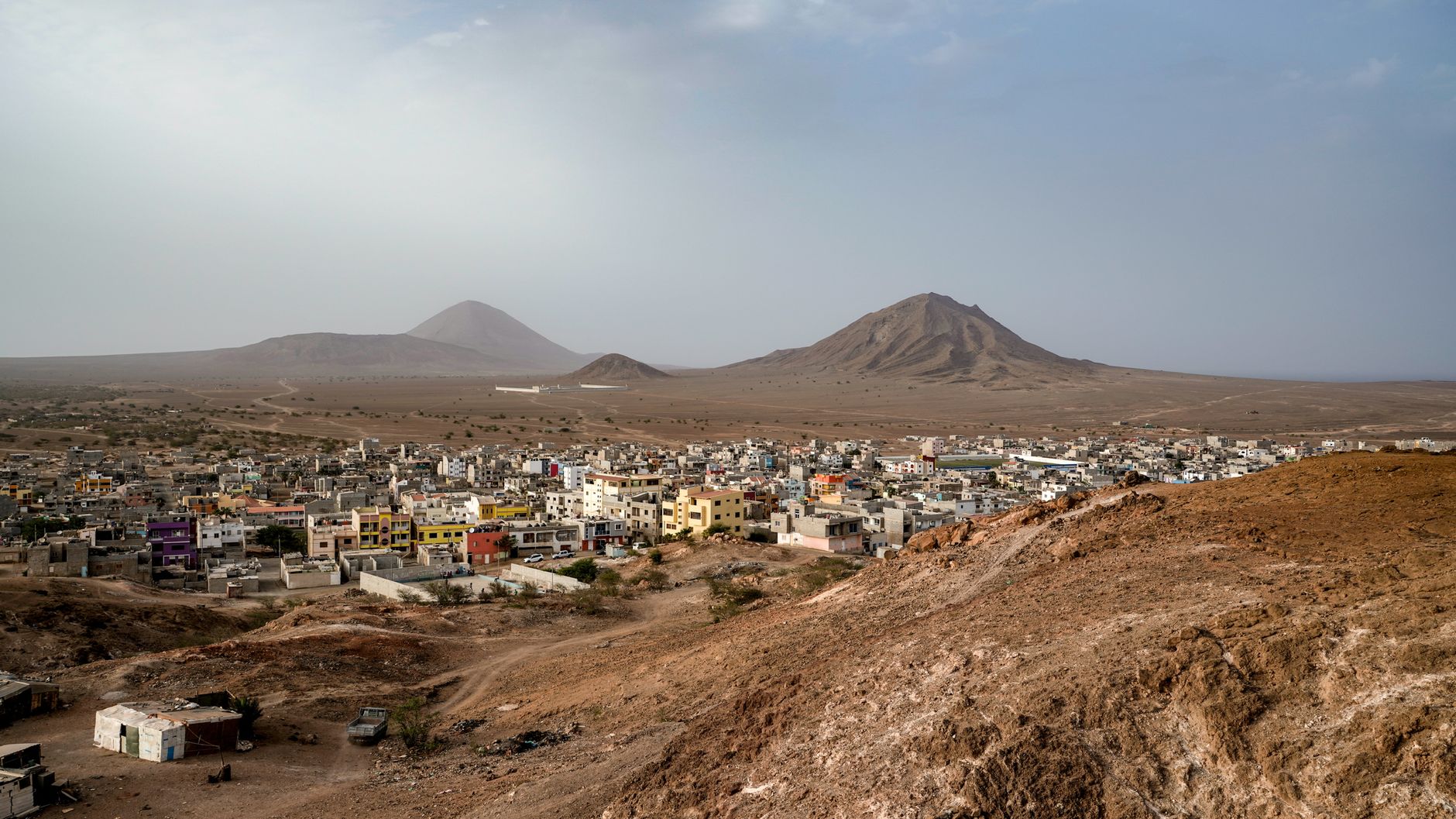
Cape Verde qualified for its first FIFA World Cup in 2026. With Portugal and Morocco co-hosting the 2030 tournament, Atlantic tourism flows are shifting.…
For most of its modern history, Cape Verde remained off the radar for international real estate investors. The nine inhabited islands of this mid-Atlantic archipelago sat too far south for European mass tourism and too far north for South American travelers. That calculation is now obsolete. With Cape Verde's first-ever FIFA World Cup qualification in 2026 and Portugal and Morocco co-hosting the 2030 tournament, the Atlantic tourism equation is being rewritten—and smart money is positioning accordingly.
The Geography of Opportunity
Cape Verde sits 500 kilometers west of Dakar, Senegal, but culturally and economically it tilts toward Europe. The islands maintain close ties with Portugal—the former colonial power—and benefit from Portuguese legal frameworks that provide investor protections rare in West Africa. Direct flights connect the islands to Lisbon, Paris, Amsterdam, and Milan in 4-6 hours, placing Cape Verde within easy reach of 300 million European consumers.
“Cape Verde receives under 1 million international visitors annually—a fraction of the 17 million who visit the Canary Islands, despite similar climate and accessibility.”
This visitor gap represents both the challenge and the opportunity. Tourism infrastructure remains underdeveloped relative to comparably located destinations. Average hotel rates on Santiago Island run €45-80 per night—half the Canary Islands average—indicating underserved demand. The World Cup qualifications have accelerated infrastructure planning, with new runway extensions and terminal upgrades at Nelson Mandela International Airport in Praia.
The World Cup Multiplier Effect
When Cape Verde's national team secured its 2026 World Cup berth, it triggered a cascade of infrastructure investments that will outlast the tournament itself. FIFA requirements mandate stadium upgrades, media facilities, and transportation improvements—all of which serve future tourism demand. But the more significant catalyst is the 2030 World Cup.
2030: Portugal, Morocco, and Cape Verde's Strategic Position
The 2030 FIFA World Cup will be co-hosted by Portugal, Morocco, and Spain—with three matches tentatively scheduled for Cape Verde. This arrangement places the islands directly in the world's largest sporting event's orbit. Historical precedent from similar co-host arrangements shows land-price appreciation of 40-60% in the 3-5 years following World Cup announcements in comparable emerging markets.
“Land prices in Portugal's Algarve region increased 35% in the five years following the 2004 UEFA European Championship. Cape Verde offers earlier entry at a fraction of the cost.”
Currency Stability and Legal Framework
For investors concerned about currency risk, Cape Verde offers a distinctive structural advantage: the Cape Verdean escudo is pegged to the euro at 110.27 CVE per EUR. This eliminates the volatility that undermines returns in many emerging market investments. You receive euro-denominated rental income while purchasing in a currency with zero conversion risk to European stakeholders or lenders.
Property ownership is governed by the Terra Rara law framework, which permits foreign ownership through a 50-year Deed of Trust (with renewable 25-year extensions). This structure provides legal certainty comparable to full freehold ownership while maintaining regulatory compliance. Foreign investors can hold property in their personal name, through a Cape Verdean company, or via an international trust structure—providing flexibility for tax planning across jurisdictions.
Entry Points: From Speculation to Development
Investment strategies in Cape Verde tourism real estate span the risk-return spectrum. Undeveloped oceanfront parcels on Santiago Island's north coast trade at €15-25 per square meter—cheap by Atlantic standards but rising as infrastructure improves. Beachfront plots in established tourism zones command €80-200 per square meter, reflecting proximity to amenities and validated demand.
Chão Bom: A Case Study in Atlantic-Cliff Development
Chão Bom exemplifies the development model capturing international attention. Situated on dramatic cliffs above Tarrafal Bay on Santiago Island's northwest coast, the project offers oceanfront lots from $250,000 in Phase II—with guaranteed institutional financing covering up to 70% of acquisition costs. The development sits 45 minutes from the airport and overlooks one of the Atlantic's most dramatic coastlines.
Comparable Atlantic-cliff developments in Madeira, Portugal, have appreciated 8-12% annually over the past decade, driven by demand for exclusive oceanfront properties with natural landscape premiums. Chão Bom's pricing reflects Cape Verde's earlier development stage—roughly where Madeira stood in the early 2000s—offering similar appreciation potential at lower entry points.
Risk Factors and Due Diligence
No investment thesis is complete without acknowledging structural challenges. Cape Verde ranks 41st globally on the World Bank's Ease of Doing Business index—improving but not yet at EU standards. Bureaucratic timelines for construction permits can stretch 6-12 months. Infrastructure gaps persist outside primary tourism zones, and hurricane season (August-October) affects some islands more than others.
Foreign exchange controls remain relatively tight; profits repatriation requires central bank approval, though approvals are routinely granted for documented transactions. Political stability is high—the islands have been a model of democratic governance in West Africa—but regional instability in neighboring Sahel states warrants monitoring.
The Window Is Closing
Infrastructure investment follows predictable patterns: early movers capture outsized returns, while mature markets offer stability at compressed yields. Cape Verde currently occupies the former category. The 2026 World Cup creates a five-to-seven-year window of accelerating development and appreciation before the market reaches equilibrium. After 2030, when the World Cup infrastructure is complete and Cape Verde is established on global tourism itineraries, entry costs will be substantially higher.
For investors seeking Atlantic exposure with European legal protections and euro-currency stability, the calculus is straightforward: identify projects with validated infrastructure access, secure financing through institutions familiar with Cape Verde's legal framework, and position before the World Cup multiplier effect fully materializes. The question isn't whether Cape Verde tourism investment will grow—it's whether you'll be positioned to benefit when it does.
Explore Phase II oceanfront lots at Chão Bom with guaranteed institutional financing
View Investment DetailsFrequently Asked Questions
Can foreigners buy land in Cape Verde?
Yes, foreigners can purchase property in Cape Verde through a 50-year Deed of Trust arrangement, which operates similarly to a long-term leasehold but confers most ownership rights including the ability to