Discover what luxury glamping means, how the market is growing, and why Cape Verde's Chão Bom is emerging as a premier investment opportunity for…
The global travel industry is undergoing a quiet revolution. Travelers who once packed tents and endured discomfort for the sake of adventure now demand something different: nature without sacrifice. This shift has given rise to luxury glamping—a portmanteau that has evolved from a niche trend into a $2.1 billion global market projected to reach $4.5 billion by 2029. For investors seeking meaningful positions in emerging tourism corridors, understanding what luxury glamping represents has become essential.
Understanding Luxury Glamping: Beyond the Tent
At its core, luxury glamping collapses the traditional distance between wilderness experience and resort-level comfort. Think of it as five-star accommodation transplanted into settings where traditional hotels cannot exist—dramatic cliff sides, secluded beaches, ancient forests. The accommodations themselves range from canvas-walled safari tents with en-suite bathrooms to treehouse suites, geodesic domes, and converted vintage airstreams, but all share a commitment to aesthetic cohesion and premium amenities.
The Distinction from Standard Camping
The critical differentiator lies in service and infrastructure. A standard campsite offers a patch of earth; a luxury glamping site offers concierge service, gourmet dining, guided experiences, and climate-controlled sleeping quarters. Platforms like Glamping.com now list over 25,000 properties across 100 countries, with average nightly rates between $200 and $800—comparable to boutique hotels but with occupancy rates averaging 15-20% higher due to experiential demand.
The Investment Case for Luxury Glamping
The market trajectory is compelling. The International Luxury Travel Market reports that 67% of high-net-worth travelers aged 35-54 specifically seek nature-based experiences that combine sustainability with comfort. This demographic controls over 60% of global wealth and shows consistent year-over-year growth in experiential travel spending. Cape Verde, positioned just 500 kilometers off West Africa's coast, sits at the intersection of European and African tourism flows.
“67% of high-net-worth travelers aged 35-54 now specifically seek nature-based experiences combining sustainability with comfort.”
Why Cape Verde Is Positioned for Glamping Growth
The archipelago's competitive advantages are quantifiable. Direct flights connect Lisbon, Paris, Amsterdam, and Munich to Sal and Praia in under six hours. The euro-pegged Cape Verdean escudo provides currency stability for European investors while maintaining competitive pricing. Crucially, Cape Verde qualified for its first-ever FIFA World Cup in 2026—a milestone that will draw global media attention to the islands. More significantly, Portugal and Morocco's co-hosting of the 2030 World Cup positions Cape Verde directly in the tournament's orbital influence, with forecasts suggesting tourism arrivals could increase 40-60% across the period.
Santiago Island's Tourism Infrastructure
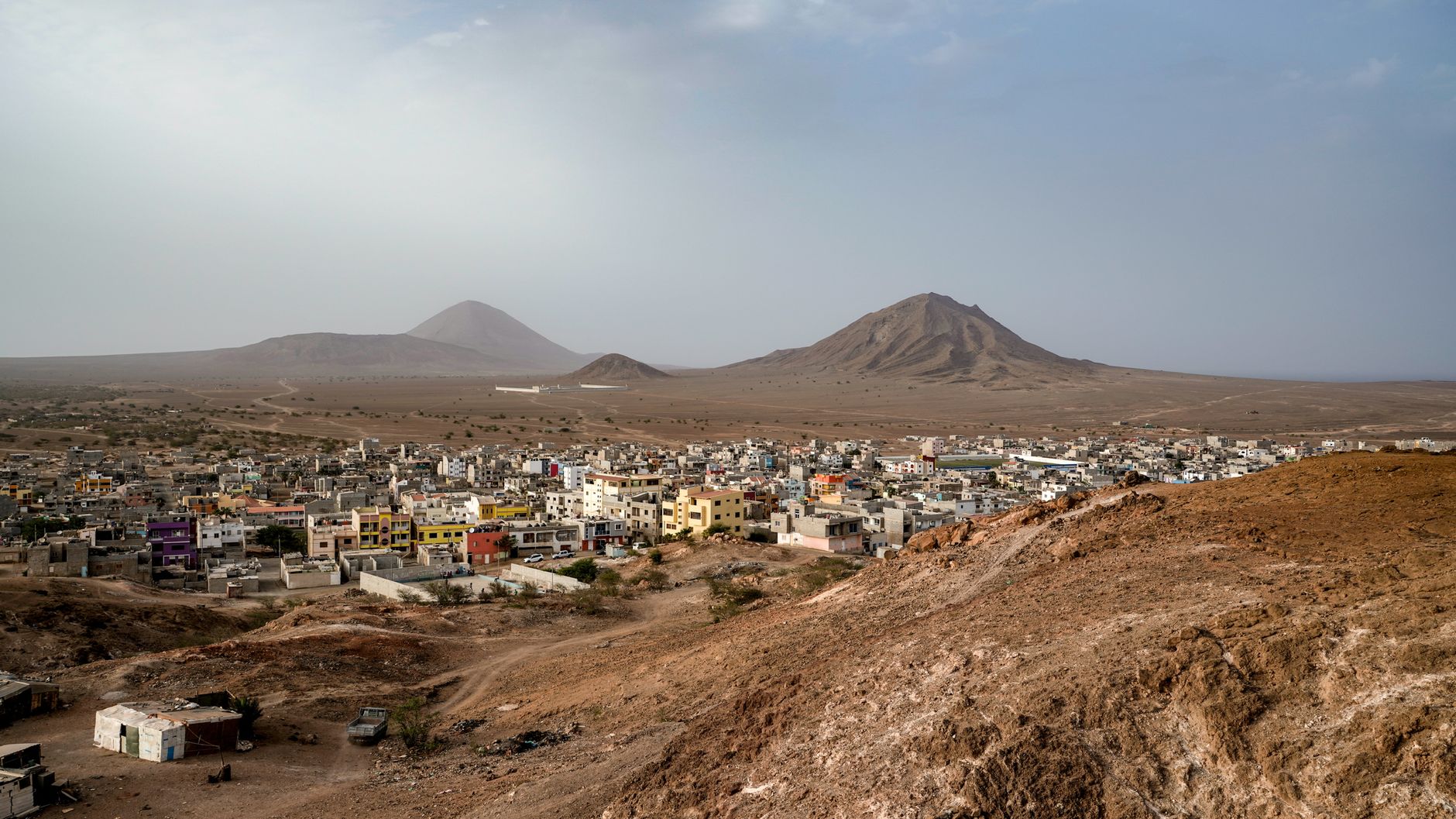
Santiago, the largest island, hosts the international airport at Praia and continues expanding its hospitality infrastructure. Yet Tarrafal Bay on the island's northern coast remains remarkably uncrowded—a protected bay with dramatic cliff formations, consistent trade winds, and water temperatures averaging 24°C year-round. This combination of accessibility and authenticity represents exactly the formula that fuels luxury glamping demand in markets like Portugal's Alentejo coast or Greece's Peloponnese.
Chão Bom: A Case Study in Strategic Positioning
Chão Bom's eco-luxury resort development on the cliffs above Tarrafal Bay illustrates how the luxury glamping model translates to Cape Verde's market realities. Phase II waterfront lots are available from $250,000, with guaranteed institutional financing covering up to 70% of acquisition costs. The 50-year Deed of Trust structure provides legal clarity that many competing jurisdictions lack, while the escrow-protected payment system de-risks the investment timeline. For investors seeking to participate in the region's anticipated appreciation—driven by World Cup momentum and expanding air connectivity—these lots represent a concrete entry point into Santiago Island's tourism trajectory.
Frequently Asked Questions
Can foreigners purchase land in Cape Verde as a foreigner?
Yes. Foreign nationals can acquire land in Cape Verde through the same legal frameworks available to citizens, with no restrictions on foreign ownership for residential or commercial development. The Deed of Trust structure used by Chão Bom provides an additional layer of investor protection, with clear title verification and registration through Cape Verde's national land registry. Most international investors engage local legal counsel for due diligence, and transaction costs typically range from 5-8% of the purchase price, inclusive of legal fees, transfer taxes, and registration.
What is the typical return on investment for luxury glamping sites?
Returns vary significantly by location and operational model. In established markets like California or Tuscany, luxury glamping sites generate annual revenues of $150,000-$400,000 per site, with net operating margins between 25-40%. In emerging markets with lower land costs and growing tourism demand, investors often see higher capital appreciation but more variable operational returns during market development phases. Chão Bom's lots are positioned for both appreciation—driven by Cape Verde's World Cup trajectory—and potential rental income through resort management partnerships.
What infrastructure is required to start a luxury glamping operation?
Essential infrastructure includes access roads suitable for guest vehicles, reliable potable water supply (often through boreholes or desalination in island contexts), renewable energy systems with battery storage, wastewater treatment meeting environmental standards, and telecommunications connectivity. At Chão Bom, core infrastructure is developed as part of the master plan, significantly reducing initial capital requirements for individual lot owners. Typical build-out costs for a luxury glamping unit range from $80,000-$200,000 depending on accommodation type and finishes.
Explore Cape Verde's emerging luxury tourism corridor and view available lots at Chão Bom.
Explore the Destination