Luxury glamping fuses high-end hospitality with nature immersion. Here's why investors are racing to stake claims before the 2026 World Cup boom…
Picture falling asleep to Atlantic waves in a designer safari tent, waking up to sunrise over Tarrafal Bay with five-star service waiting outside your canvas walls. This isn't camping—it's luxury glamping, and it's rewriting the rules of high-end travel. While traditional five-star hotels saturate the market, the global luxury glamping sector is growing at 12.8% annually, reaching $101.3 billion by 2028. For investors with vision, the question isn't what is luxury glamping—it's where to position before the world discovers it.
Defining Luxury Glamping: More Than a Tent with WiFi
So what is luxury glamping, exactly? It's the convergence of high-end hospitality and outdoor immersion—a category where guests expect hotel-grade bedding, private en-suite bathrooms, gourmet dining, and concierge services while surrounded by nature. Unlike standard camping, luxury glamping sites offer climate control, premium furnishings, and curated experiences that justify premium pricing, typically $200-$800 per night for standalone units.
The term blends "glamorous" and "camping," but the reality far exceeds the name. Modern luxury glamping encompasses architectural safari tents, treehouses, geodesic domes, yurts with heating systems, and converted shipping containers designed to blend into natural landscapes while delivering four-star-or-better amenities. According to Grand View Research, the Asia-Pacific region currently dominates glamping adoption, but European and Atlantic destinations are accelerating rapidly as travelers seek nature without sacrificing comfort.
“Luxury glamping sites command $200-$800 per night—often 3x the rate of comparable traditional hotels in high-demand destinations.”
The Experiential Travel Boom Driving Demand
Understanding what is luxury glamping requires recognizing its position within the broader experiential travel revolution. Post-pandemic data from Skift Research shows 67% of luxury travelers prioritize "unique accommodation experiences" over traditional hotel stays. The millennial and Gen-Z demographics driving luxury spending have shifted their preference from status signaling through brand hotels toward authentic, Instagram-worthy experiences that offer social currency.
Market Comparables and Revenue Performance
Looking at comparable markets provides instructive data. In Portugal's Alentejo region, luxury glamping pods near the Vicentina Coast achieve 78% average occupancy at €350 per night—outperforming nearby boutique hotels by 23 percentage points. Safari lodges in South Africa's Timbavati reserve charge $650-$1,200 per night for tented suites with comparable margins to five-star city properties, but with significantly lower operational overhead and real estate costs.
Why Investors Are Watching the Atlantic Coastline
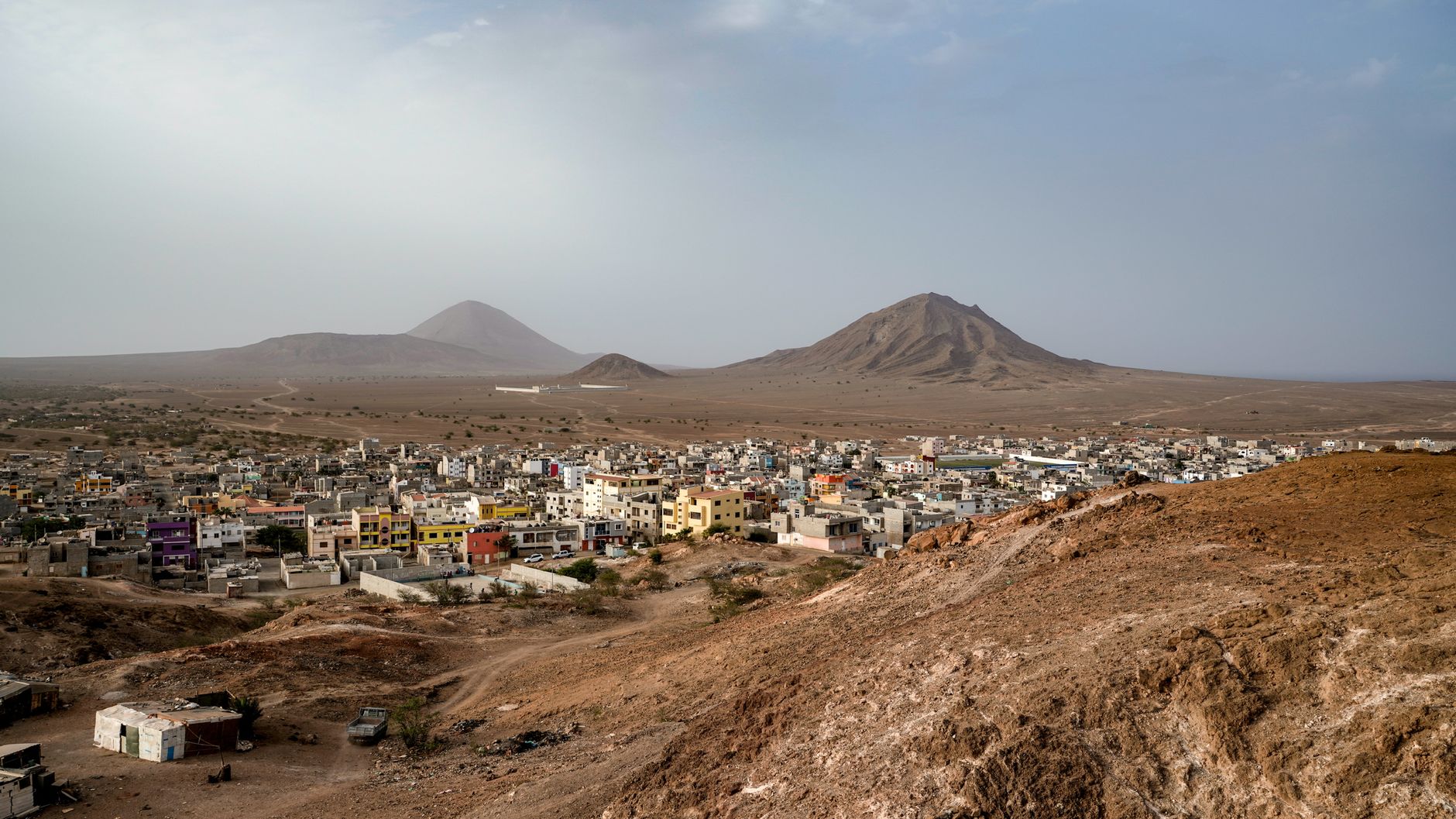
For investors asking what is luxury glamping as a financial opportunity, Cape Verde presents a compelling case study. Santiago Island's Atlantic coastline—particularly Tarrafal Bay—offers the natural drama investors need: 50-80 meter cliffs overlooking deep blue water, consistent trade winds, and 350+ sunny days annually. Chão Bom's development sits precisely in this zone, offering investors access to Phase II waterfront lots at $250,000 with guaranteed institutional financing.
The economics become compelling when modeled against comparable markets. Land in established glamping destinations like Tuscany or the Algarve has appreciated 180-220% over the past decade as supply constrained. Santiago Island remains early-stage, with direct European flights from Lisbon, Paris, Amsterdam, and Frankfurt—but land prices haven't yet reflected the coming demand surge. The 50-year Deed of Trust structure provides ownership security comparable to freehold in practical terms, while the euro-pegged Cape Verdean escudo eliminates currency risk for European investors.
“Direct European flights connect Lisbon to Praia in 3.5 hours, making Cape Verde's Atlantic coast accessible for weekend getaways—a critical factor for luxury glamping occupancy rates.”
World Cup Catalysts: 2026 and 2030 Transformation
The question of what is luxury glamping becomes even more interesting when projected against Cape Verde's tourism trajectory. Cape Verde's qualification for its first-ever FIFA World Cup in 2026 represents a singular tourism inflection point—similar to how Qatar's 2022 World Cup triggered a decade of infrastructure investment and global awareness. Additionally, the 2030 World Cup—co-hosted by Portugal, Morocco, and Spain—positions Cape Verde directly in the tourism pathway between European and African fan bases.
Historical precedent supports this thesis. When South Africa hosted the 2010 World Cup, Cape Town's hotel occupancy hit 89% during tournament weeks, with rates climbing 45% above baseline. Cape Verde's smaller tourism infrastructure means the World Cup effect will be proportionally more dramatic—creating extended high-demand periods through 2030 and beyond as global awareness translates to sustained visitation. Investors positioning now secure beachfront and clifftop lots before this visibility explosion materializes.
Frequently Asked Questions
What is luxury glamping and how does it differ from regular camping?
Luxury glamping combines outdoor nature immersion with high-end hospitality standards. Unlike traditional camping where guests bring their own equipment and sacrifice comfort, luxury glamping sites provide hotel-grade amenities including premium bedding, climate control, private bathrooms, gourmet food service, and curated experiences. Guests enjoy the therapeutic benefits of nature—the sound of waves, starlit skies, forest immersion—without sacrificing comfort or service quality. The experience targets travelers who appreciate nature but refuse to compromise on accommodation standards.
Can foreigners buy land in Cape Verde?
Yes, foreigners can purchase land in Cape Verde through a 50-year Deed of Trust arrangement. This structure provides foreign investors with secure, transferable land rights for tourism and residential development. The Deed of Trust can be renewed, providing effectively permanent control comparable to freehold ownership in practical terms. Chão Bom's Phase II lots are available to international investors through this framework, with guaranteed institutional financing covering up to 70% of the $250,000 lot price. Euro-pegged currency eliminates exchange rate volatility for European investors, and the Cape Verde government actively welcomes foreign direct investment in tourism infrastructure.
Why is Cape Verde positioned to become a luxury glamping destination?
Cape Verde offers a rare combination of factors: dramatic Atlantic cliffscapes and beaches, 350+ sunny days annually, direct European flight access (3.5 hours from Lisbon), political stability, and—critically—early-stage development compared to competing Atlantic destinations. The 2026 World Cup qualification and proximity to the 2030 Portugal-Morocco-Spain co-hosting create a visibility inflection point that will drive sustained tourism growth. Luxury glamping's low land-to-revenue ratio makes it ideal for Santiago Island's clifftop terrain, where traditional hotel construction would be cost-prohibitive. Current land values haven't priced in this growth catalyst, creating a window for early-positioned investors.
Positioning for the Coming Wave
Understanding what is luxury glamping reveals more than a travel trend—it illuminates a strategic investment thesis. The convergence of experiential travel demand, limited premium natural locations, and Cape Verde's unique catalysts (World Cup proximity, European flight access, early-stage pricing) creates a window that won't remain open indefinitely.